African fashion is more than just a vibrant explosion of color; it's a rich tapestry of history, storytelling, and cultural identity. For those newly exploring African fashion or diaspora members seeking to reconnect with their roots, the sheer variety of textiles can be overwhelming. Which fabric is appropriate for a wedding? Which is best for everyday wear?
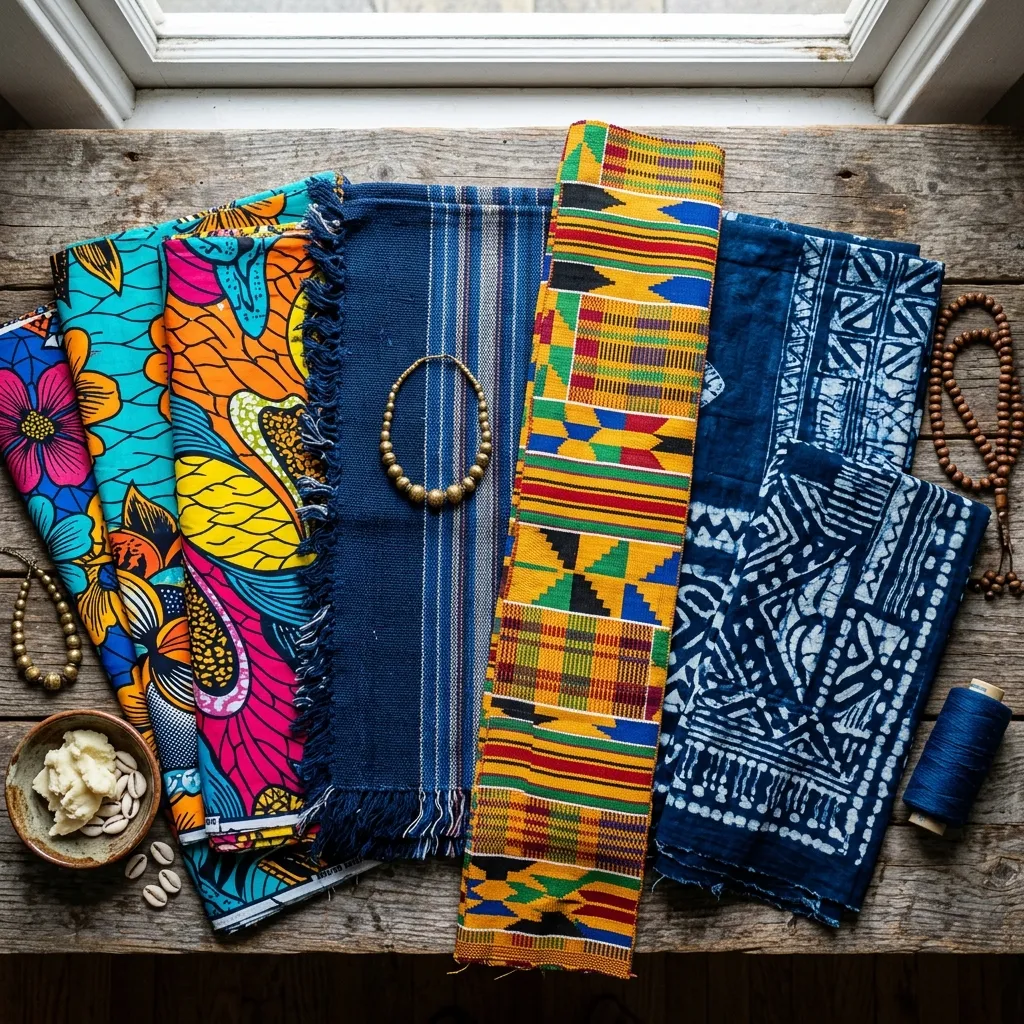
At Seamstars, we believe that understanding the origin and meaning of what you wear elevates the entire experience. This guide will walk you through four of the most iconic African fabrics—Ankara, Kente, Aso-oke, and Adire—explaining their unique characteristics, history, and exactly when to wear them.
1. Ankara: The Versatile Canvas
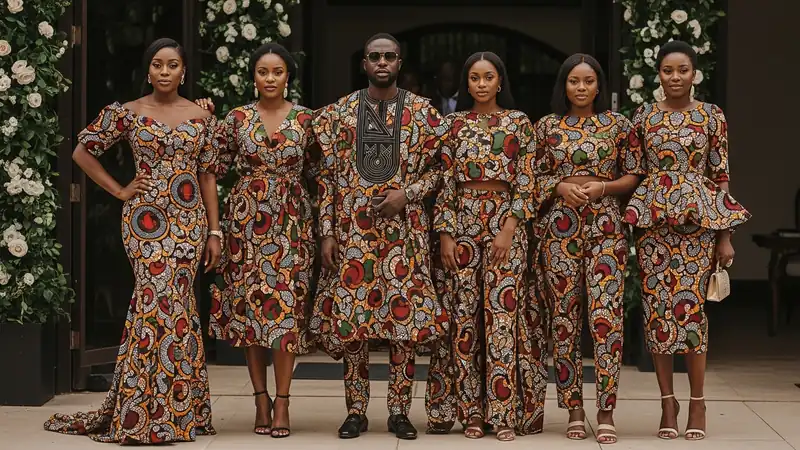
Ankara, often referred to as African wax print, is arguably the most ubiquitous African fabric globally. While deeply entrenched in West African culture today, its origins are surprisingly global, stemming from Indonesian batik techniques brought to West Africa by Dutch merchants in the 19th century.
Characteristics: Ankara is a 100% cotton fabric renowned for its bold, vibrant, and often symmetrical patterns. Its defining feature is the color intensity, which remains identical on both the front and back of the cloth.
Cultural Significance: Beyond aesthetics, Ankara patterns often carry hidden meanings. Specific designs are named after proverbs, historical events, or famous personalities, serving as a silent form of communication among wearers.
When to Wear It: Ankara is the ultimate versatile fabric. It is perfect for both everyday wear and casual-chic events. Think summer dresses, stylish two-piece sets for brunch, tailored blazers for the office, or striking headwraps. While it can be dressed up for formal events with intricate tailoring and embellishments, its breathable cotton nature makes it a staple for daily life.
2. Kente: The Cloth of Kings
Native to the Akan people (including the Ashanti) of Ghana and the Ivory Coast, Kente is instantly recognizable by its dazzling, multi-colored geometric patterns.
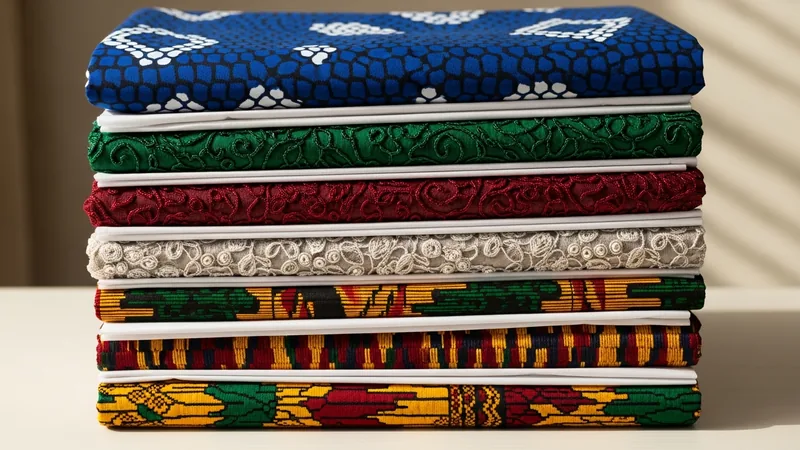
Characteristics: Unlike the printed Ankara, Kente is meticulously handwoven. Artisans interlace silk and cotton threads on narrow looms to create strips, which are then sewn together to form larger pieces of fabric. The result is a heavy, luxurious, and highly textured material.
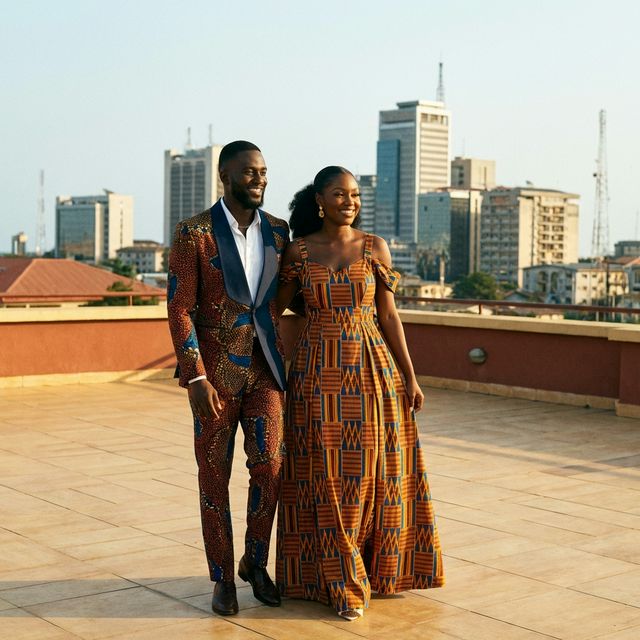
Cultural Significance: Historically, Kente was a sacred cloth reserved exclusively for royalty and important religious figures. Today, it remains a powerful symbol of African heritage and pride globally. Every color and pattern in a Kente cloth carries a specific meaning—gold represents wealth and royalty, green signifies growth and renewal, and blue indicates peace and harmony.
When to Wear It: Kente is a prestige fabric reserved for significant milestones and formal occasions. It is the perfect choice for graduations (often worn as stoles), weddings (especially for the couple), naming ceremonies, and prestigious galas. It is not typically worn as casual or everyday attire.
3. Aso-oke: The Crown Jewel of Yoruba Fashion
Hailing from the Yoruba people of southwestern Nigeria, Aso-oke translates literally to "top cloth" or "high status cloth."
Characteristics: Like Kente, Aso-oke is a hand-loomed textile. It is characteristically thick, durable, and richly textured, often woven with metallic threads (Lurex) that give it a distinctive, shimmering quality. It is woven by men in narrow strips that are masterfully stitched together.
Cultural Significance: Aso-oke is the quintessential fabric for Yoruba celebrations. It is often treated as a family heirloom, passed down through generations. The cloth represents respect, tradition, and the wearer's elevated status within the community.
When to Wear It: Aso-oke is the fabric of choice for major life events, most notably traditional Nigerian weddings. It is used to craft the bride's iro (wrapper), buba (blouse), and gele (head tie), as well as the groom's majestic agbada (robe) and fila (cap). It is also appropriate for chieftaincy coronations and significant milestone birthdays. Due to its weight and formality, it is entirely unsuited for casual wear.
4. Adire: The Indigo Storyteller
Adire is another traditional textile of the Yoruba people, but unlike Aso-oke, it is defined by its dyeing process rather than its weave.
Characteristics: Adire is created using intricate resist-dyeing techniques. Parts of a cotton cloth are tied, stitched, or painted with a cassava starch paste to prevent dye absorption. Traditionally dyed with natural indigo, the resulting fabric features striking, deep blue-and-white patterns.
Cultural Significance: The name derives from the Yoruba words adi (to tie) and re (to dye). Adire patterns are not random; they are profound cultural storytellers, depicting plants, animals, and traditional proverbs. Wearing Adire is a celebration of indigenous craftsmanship and storytelling.
When to Wear It: Adire strikes a beautiful balance between casual and formal. It is highly breathable, making it excellent for comfortable, everyday luxury—think flowing maxi dresses, relaxed button-down shirts, and stylish wide-leg trousers. However, modern designers are increasingly elevating Adire into stunning evening wear. It's the perfect choice when you want a piece that feels deeply authentic, artistic, and unique, without the heavy formality of Aso-oke.
At Seamstars, we honor the legacy of these textiles by ensuring every custom piece we create respects the fabric's true nature. Whether you are seeking a meticulously tailored Ankara suit for the office or a breathtaking Aso-oke ensemble for your wedding day, our master tailors understand the geometry, drape, and cultural weight of the cloth.
Start a conversation with us today to bring your vision to life with authenticity and unparalleled craftsmanship.