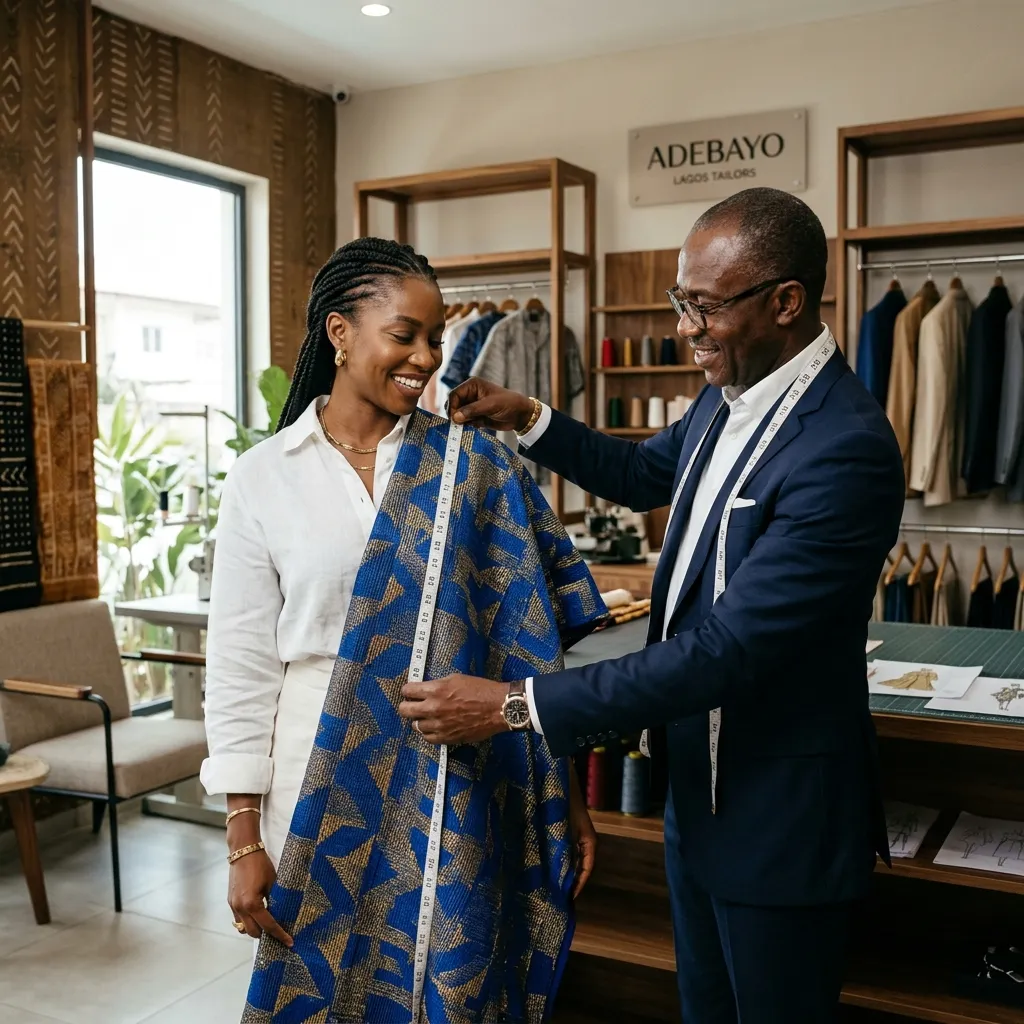
Imagine you receive an invitation to a significant traditional event—say, an introduction ceremony or a milestone anniversary—just a few weeks away. The dress code calls for something spectacular. The question immediately comes to mind: do you commission a custom, bespoke outfit to make a statement, or do you buy a beautiful ready-to-wear piece to save time?
It is the question we get more than any other. We offer both kinds of garments at Seamstars, so we have no incentive to push you one way. Here is how we think about it.
Bespoke is for when the garment has to do work the wearer cannot
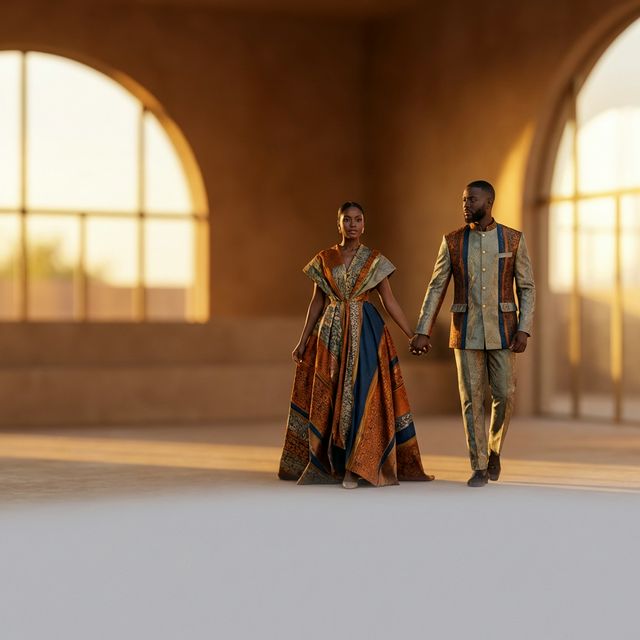
A bespoke agbada or gown is not just custom-fitted. It is a garment whose drape is the entire point — and drape is geometry specific to your shoulders, your stance, the way you actually move. Fit a piece like this badly and the cloth fights you all night. Fit it well and you stop noticing it, which is the whole reason the silhouette has lasted centuries.
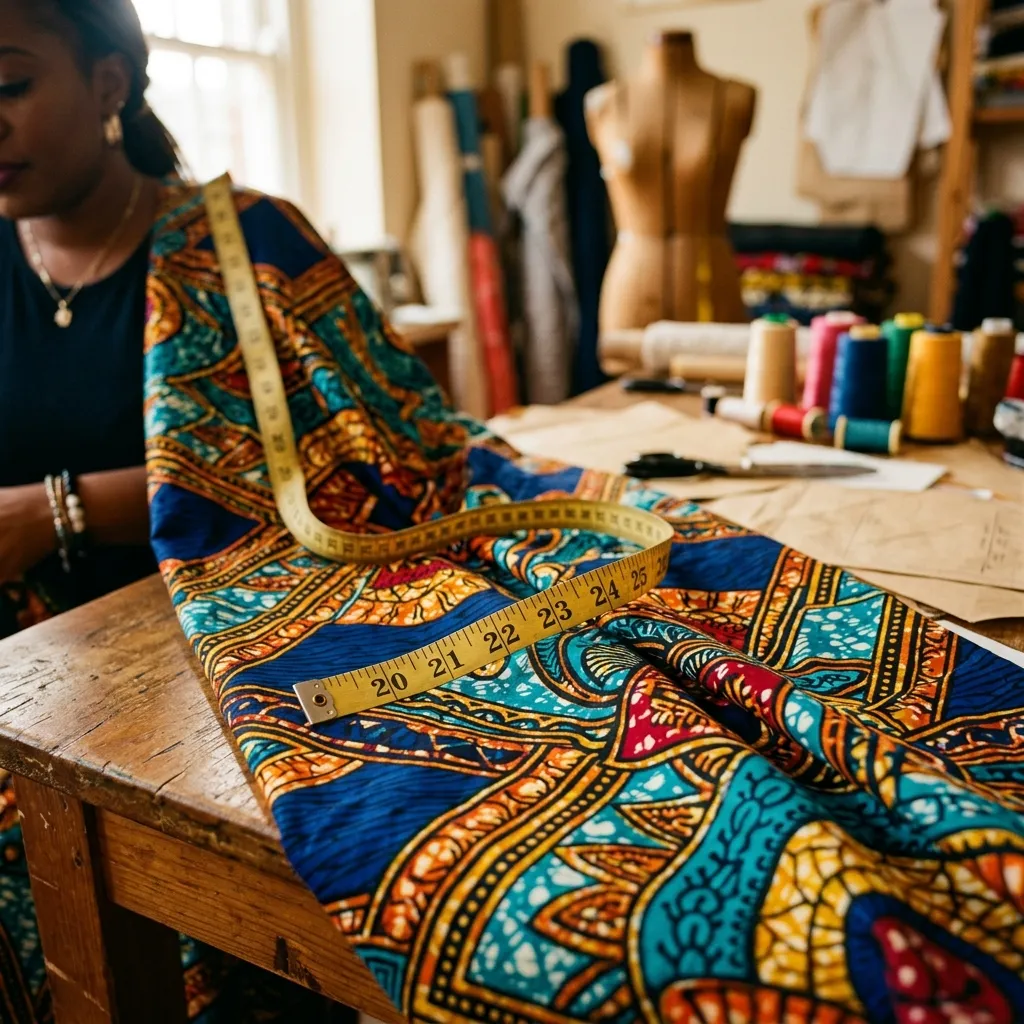
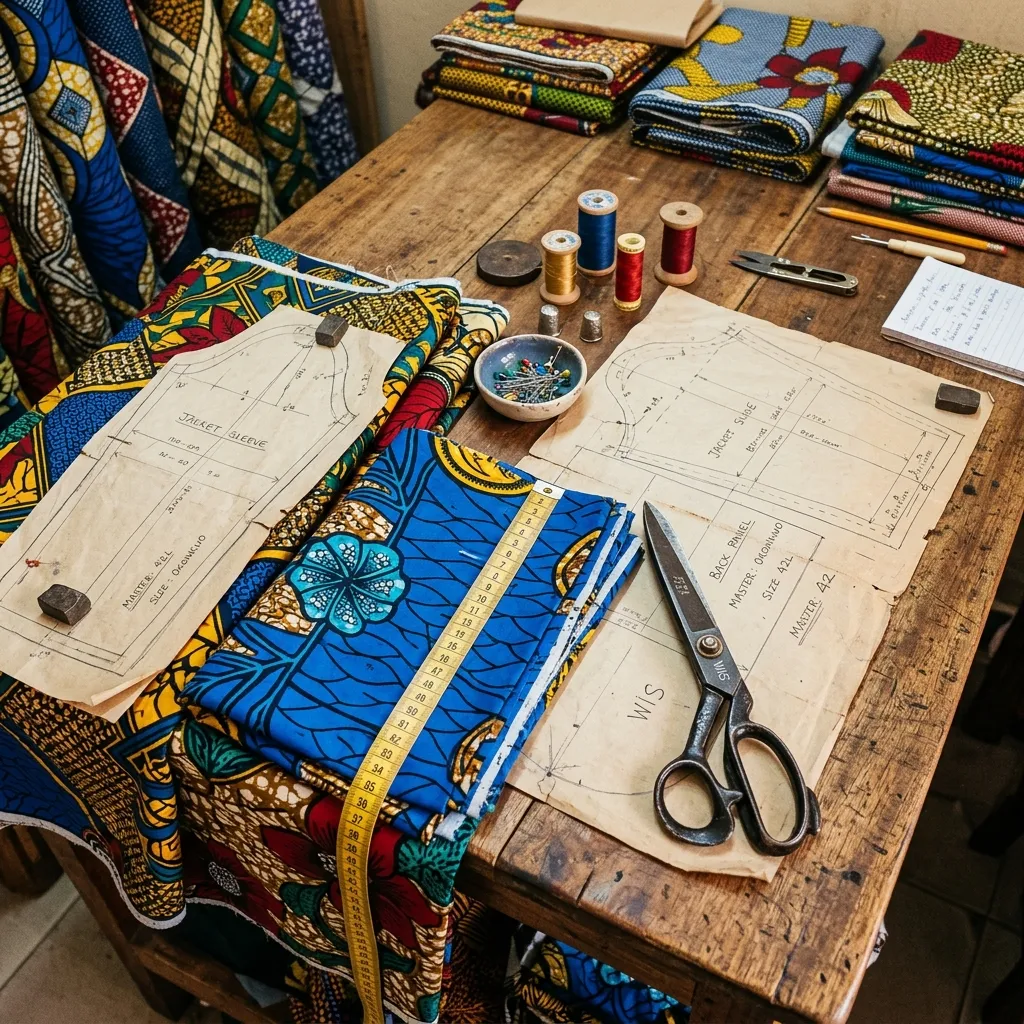
The same logic applies to wedding-grade Aso-oke or rich laces. At Seamstars, we handle the entire process from start to finish. Because international shipping logistics make it impractical to accept fabrics sent by customers, we source and purchase premium fabrics on your behalf based on your exact preferences. A master tailor in Lagos plans the strip width, pattern placement, and embroidery on the front end, while you are still deciding on colors and textures with us.
This is the part of the trade you are paying for. Bespoke is an investment—pieces often start around $150 and can run well past $1000 for heavy embroidery or hand-finished aso oke—and the timeline reflects the care involved. Three to six weeks is normal. Wedding season takes longer. But a garment built this way, cared for properly, outlasts the person who first wears it.
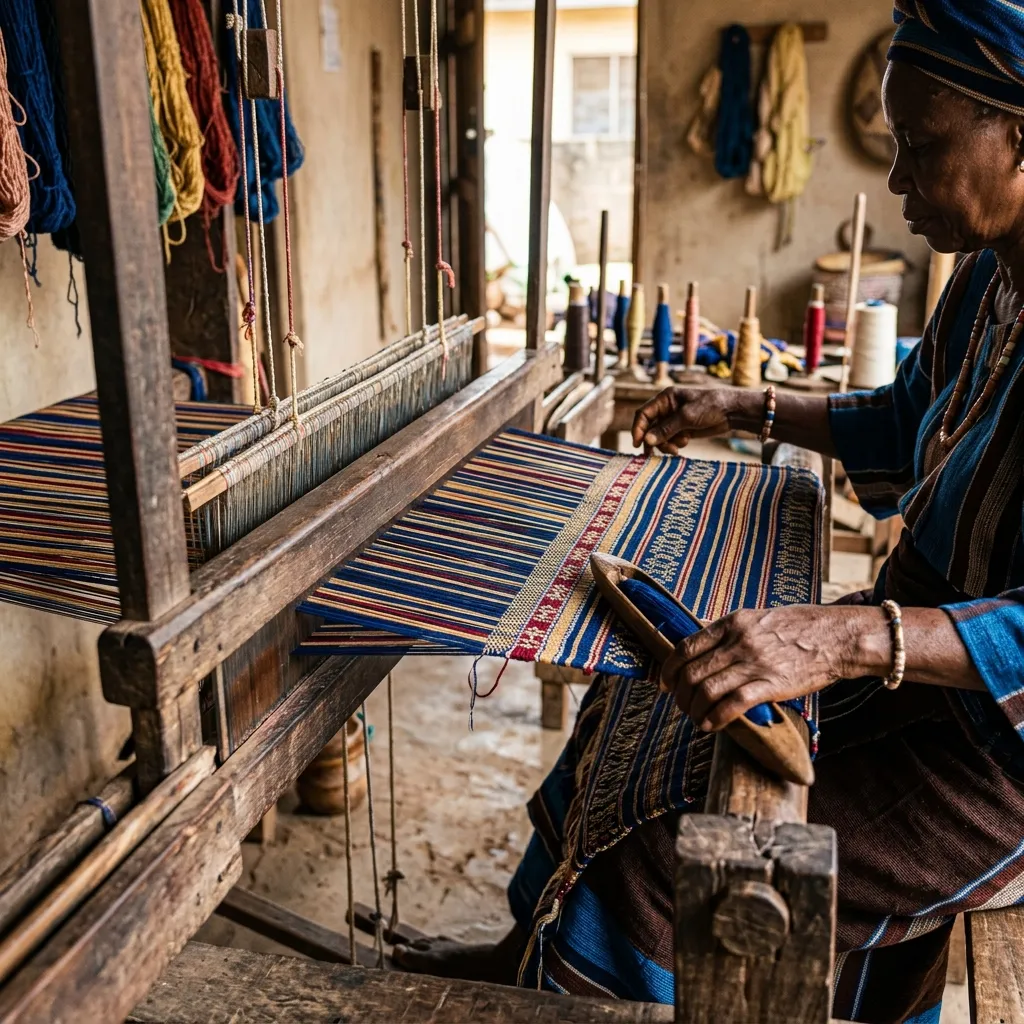
If you are the centre of an event, if the garment is going to be photographed and remembered and possibly handed down, the bespoke route is usually the right call.
Ready-to-wear is for when the moment is now
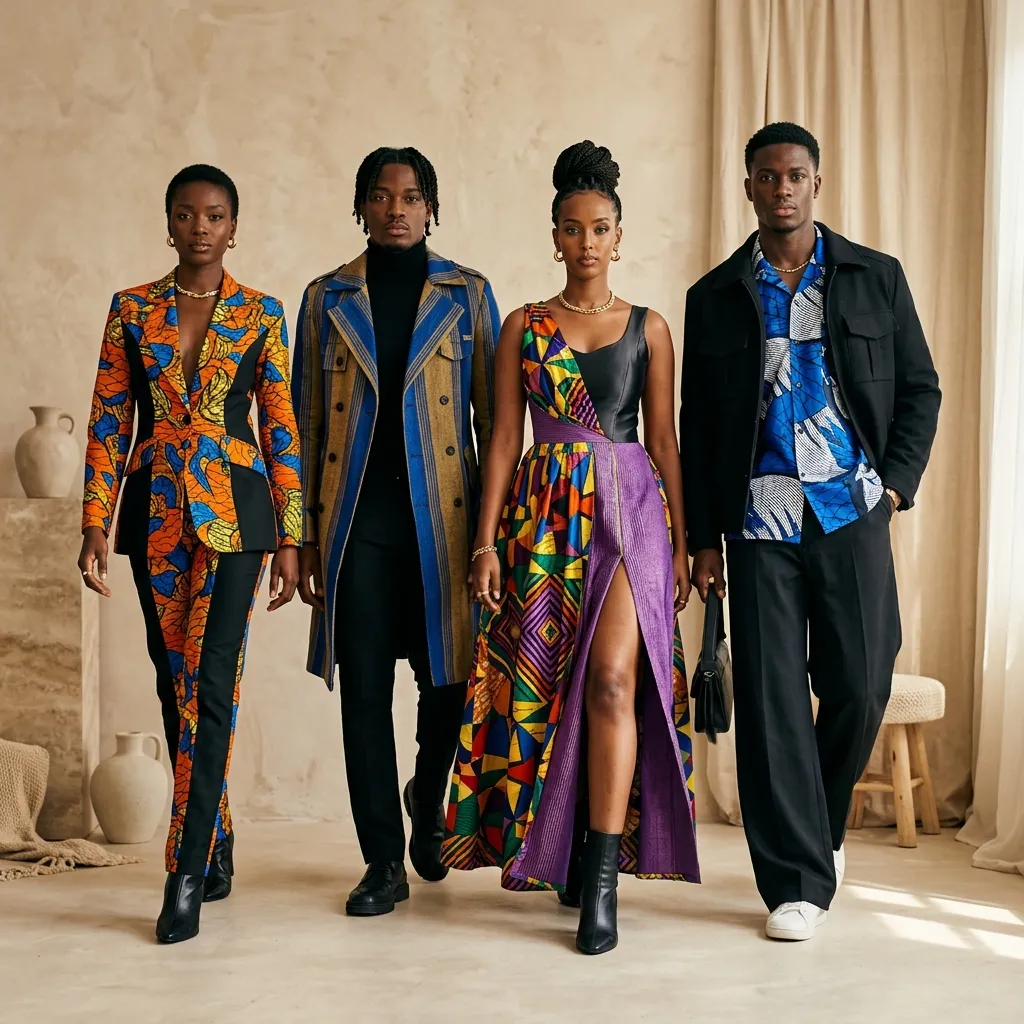
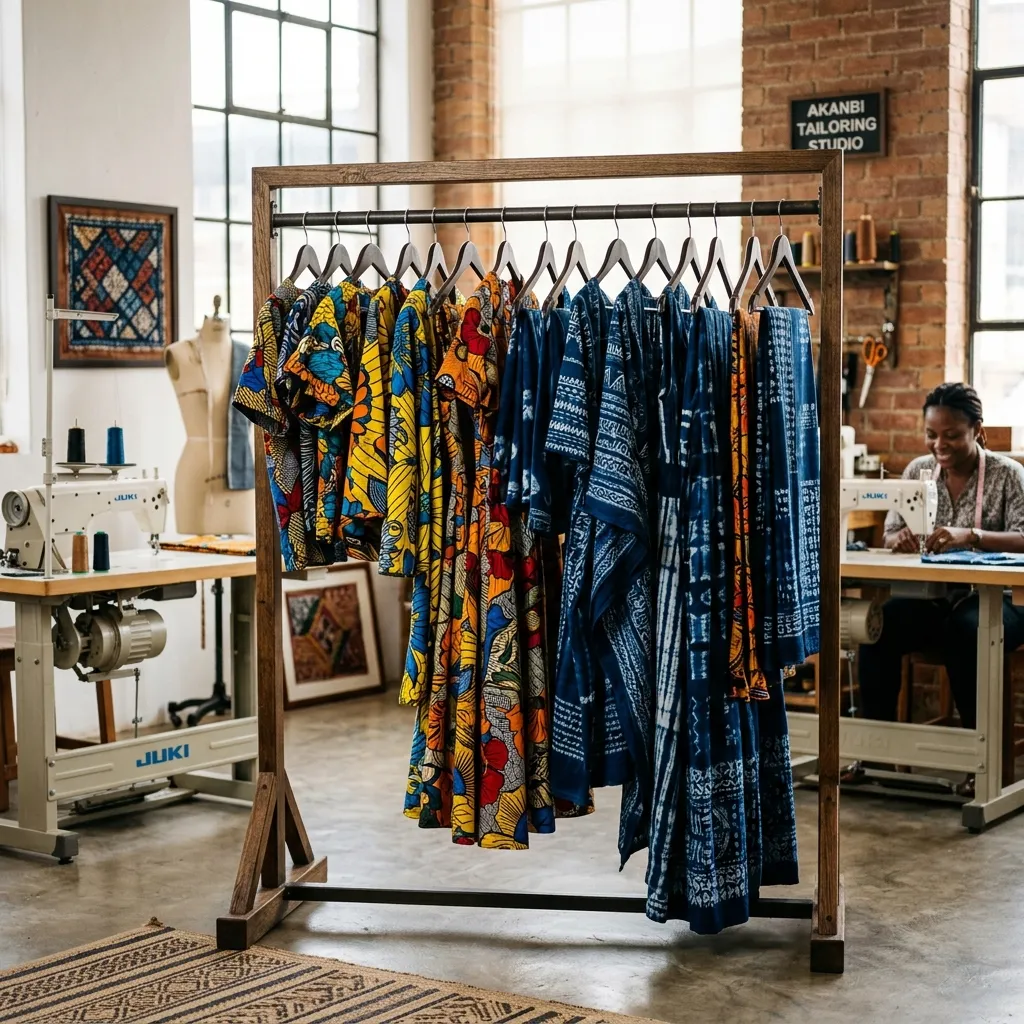
The ready-to-wear story is honest and uncomplicated. Someone has already done the work of pattern-making, fabric sourcing, and construction, and you get to step into the result. For an ankara shirt for a Friday gathering, or an Adire dress to wear into a meeting with one of your bolder colleagues, that is the right trade.
We price our ready-to-wear between roughly $80 and $300, depending on fabric and detail, and it ships in days, not weeks. What it cannot do is anticipate your specific shoulder slope, or the fact that your sleeves usually run two centimetres long. For a guest at a party, none of that matters. For the bride at the same party, all of it does.
If it helps to see the whole choice on one page, here it is in summary:
| Bespoke | Ready-to-wear | |
|---|---|---|
| Time | A month or more before the event | Days, not weeks |
| Cost | Worth a long investment | Practical and well-made matters more |
| Fit | Made to your specific measurements | Standard sizing fits, with minor tailoring at most |
| Design | You dictate the fabric, the cut, and the embroidery | You want a finished piece you can step into |
| Occasion | You are the centre of the event | You are a guest, or it is a regular day |
The path most people actually take
There is a quieter third option that does not fit cleanly into either camp: buy ready-to-wear, then take it to a local tailor. The hem comes up an inch, the waist gets nipped, the sleeves shorten by half a centimetre. Suddenly the off-the-rack piece fits as if it were made for you, because in the part that matters — the part touching your body — it now is.
We support this path openly. If you have bought something from us and it needs adjusting, we recommend taking it to a trusted tailor in your city. Because we do not accept garments shipped back to us due to the aforementioned logistics, a local tailor is your best bet for those small tweaks. Most ready-to-wear customers end up here eventually. The price-to-fit ratio is often the best in the entire trade.
If you are doing this often, it is worth taking your own measurements once and keeping them on file — we will publish a piece on how to do that properly soon.
In the end, that hypothetical guest with the upcoming introduction ceremony might go bespoke if the event means everything to them and time allows. But for their next event — a colleague's birthday in two weeks — they will probably wear something off the rack, possibly with a small stitch at the waist that nobody will see.
That is the shape of a real wardrobe. Not a choice between two camps, but a quiet rotation between them.
If you know what you want and have the time, start a conversation with us about a bespoke piece where we'll help source the perfect fabric for you. If your event is closer than that, browse the ready-to-wear collection — and if a piece needs a small adjustment, a quick trip to your local tailor will make it perfect.