Introduction
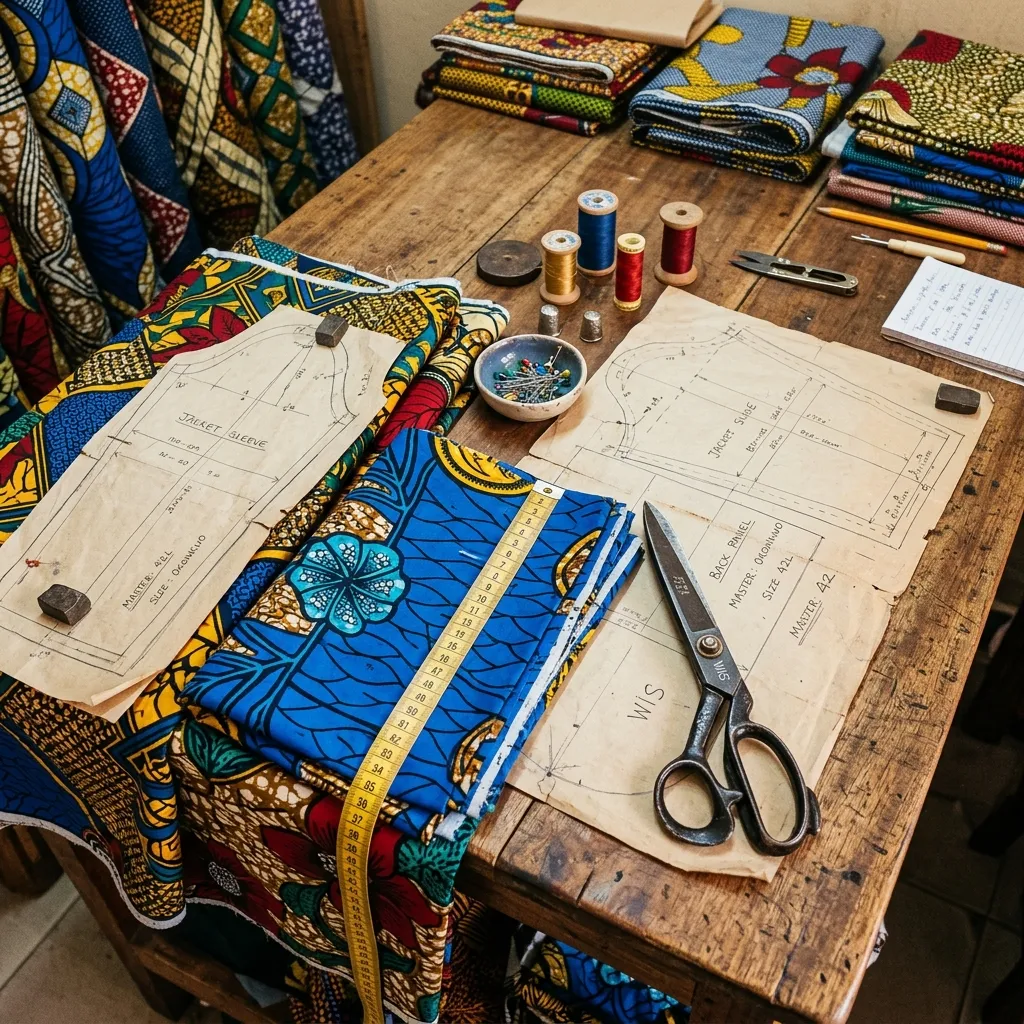
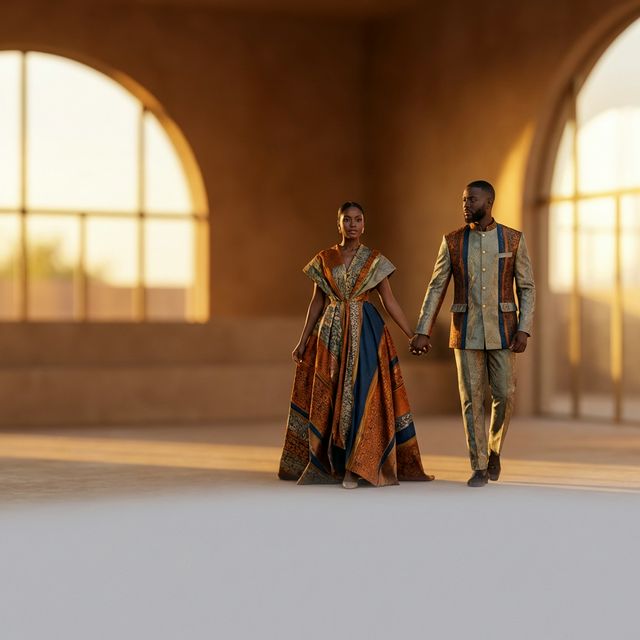
Ordering African attire online can feel like stepping into the unknown. The rich textures, vibrant patterns, and cultural significance of garments such as Agbada, Aso‑Oke, Ankara, and Lace dresses make you want them instantly—yet the biggest hesitation is always fit.
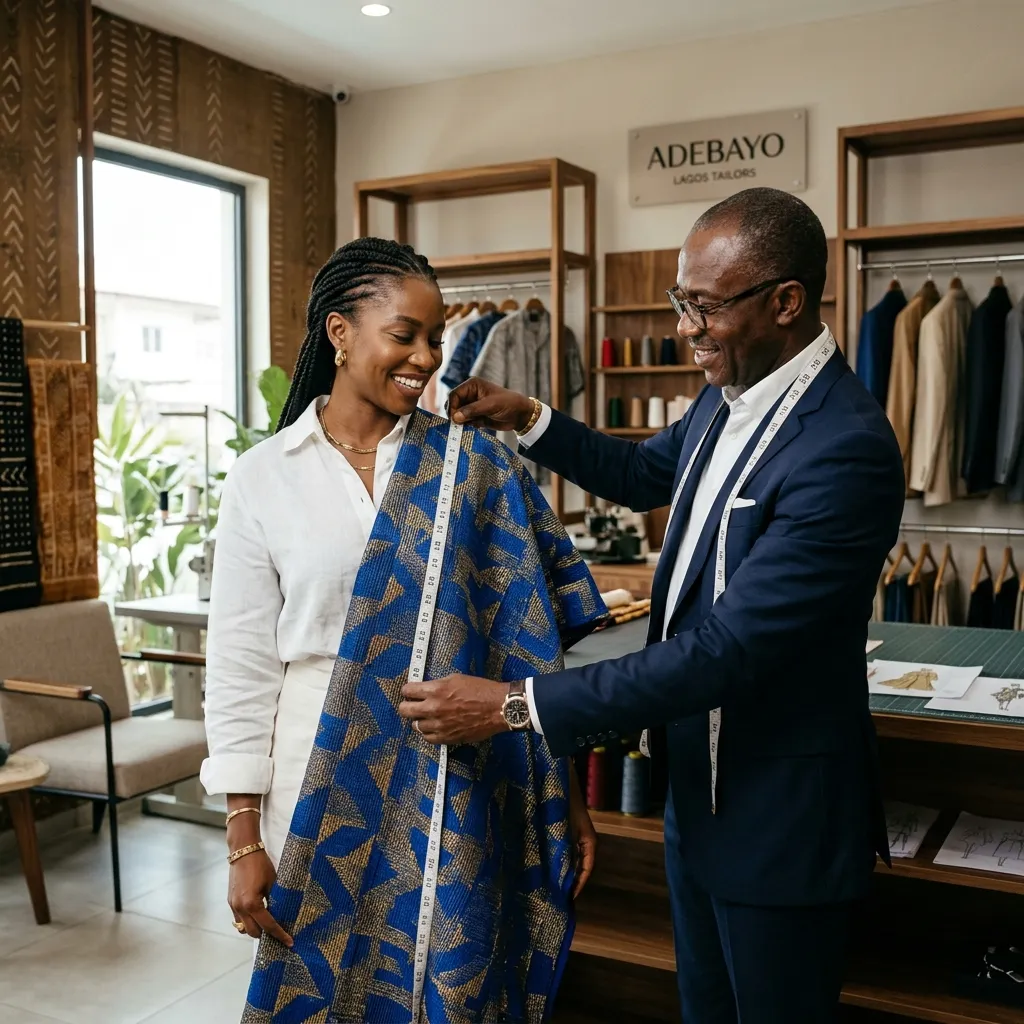
At Seamstars we have built a digital bespoke ecosystem that removes the guesswork while preserving the artistry of master tailors. This guide walks you through:
- Measuring yourself confidently at home
- Exactly which measurements Seamstars needs
- How our bespoke workflow guarantees the right fit
- Using our complimentary live consultations and upcoming AI-powered measurement assistant
Follow the steps below, and you’ll be ready to place an order with the certainty that your outfit will drape like a second skin.
1. Preparing for a Home Measurement Session
What You Need
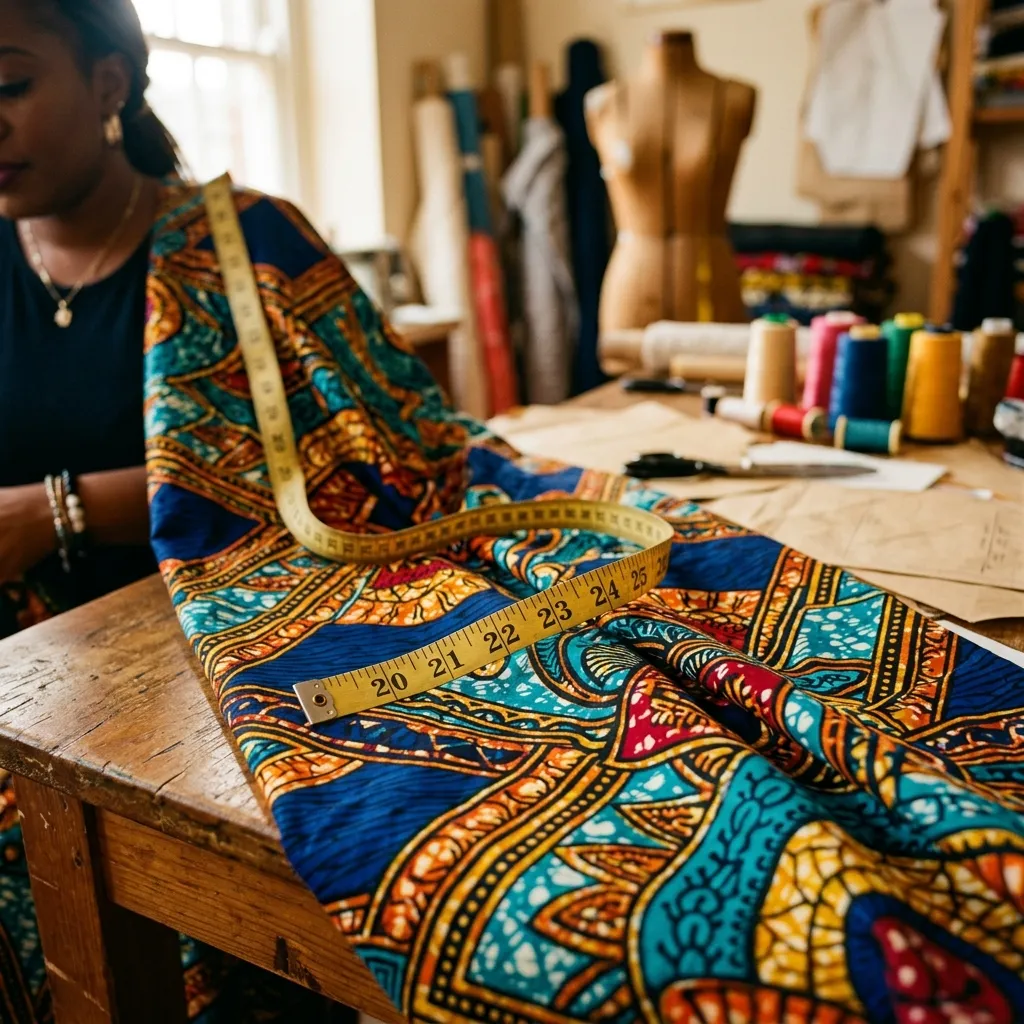
- A soft, flexible measuring tape (the kind used by tailors, not a rigid ruler).
- A full‑length mirror or a friend to help you check alignment.
- A plain, well‑fitted shirt and trousers (preferably the garments you would normally wear under the outfit). These act as reference points for posture and stance.
- Pen and paper or a digital note‑taking app (the numbers you record will be uploaded later).
- Good lighting – shadows can distort the tape’s placement.
Setting the Environment
| Issue | Solution |
|---|---|
| Uneven floor | Stand on a flat surface; carpeted areas are fine, but avoid uneven tiles. |
| Distractions | Turn off background noise; a calm environment helps you stay still while measuring. |
| Tape slip | Hold the tape with a gentle but firm grip; ask a friend to keep it steady if possible. |
2. The Core Measurements Seamstars Requires
Seamstars collects nine primary measurements for most bespoke African garments. Each is taken at relaxed breathing (no forced exhale or inhale). Below is a quick reference chart you can print:
flowchart TD
    A[Chest (Bust) – around fullest part] --> B[Waist – narrowest point]
    B --> C[Hip – widest part of hips]
    C --> D[Shoulder Width – tip to tip]
    D --> E[Sleeve Length – shoulder to wrist cuff]
    E --> F[Upper Arm – midpoint of bicep]
    F --> G[Length – from base of neck (Cervical) to desired hem]
    G --> H[Inseam – from crotch to ankle]
    H --> I[Thigh – fullest part of thigh]
| Measurement | How to Take It | Why It Matters |
|---|---|---|
| Chest / Bust | Wrap the tape around the fullest part of the chest, keeping the tape parallel to the floor. | Determines the width of jackets, blazers, and tops. |
| Waist | Measure at the natural waistline (just above the belly button). | Critical for tunics, dresses, and Agbada trousers. |
| Hip | Measure around the fullest part of the hips, usually 7‑9 inches below the waist. | Affects the flare of skirts, the drape of A‑line dresses, and the volume of Agbada skirts. |
| Shoulder Width | From the tip of one shoulder to the tip of the other, across the back. | Ensures sleeves sit correctly and the garment sits flat on the shoulders. |
| Sleeve Length | From the shoulder point (where the strap meets the shoulder) down to the wrist bone, with the arm slightly bent. | Guarantees sleeves aren’t too short or overly long. |
| Upper Arm | Measure the circumference of the upper arm at its midpoint. | Important for cuff fit on shirts, jackets, and traditional robes. |
| Length | From the base of the neck (where the collar sits) down to the desired hem. For dresses, this is usually the floor; for tunics, to the knee. | Dictates overall garment proportion. |
| Inseam | From the crotch where the seams meet down to the ankle (or desired pant length). | Vital for pants, trousers, and Agbada bottoms. |
| Thigh | Around the fullest part of the thigh, a few inches below the crotch. | Helps tailor the cut of trousers and skirts for comfort. |
Special Cases
- High‑Neck Gowns & Traditional Wraps: Add a neck circumference measurement (around the base of the neck).
- Custom Embroideries & Collars: Provide a collar height measurement (from base of neck to the top of the collar).
3. Uploading Your Measurements – Seamstars Workflow
- Log in to your Seamstars account and start a new bespoke order.
- In the Measurement step, you will see a visual guide with numbered illustrations matching the chart above.
- Enter the numbers directly into the fields.
- Confirm and click Proceed. Our system instantly generates a digital pattern based on your numbers.
Pro tip: Double‑check each entry before submitting. A tiny typo (e.g., 44 cm instead of 44 in) can change the entire cut.
4. How the Bespoke Process Guarantees the Right Fit
| Stage | What Happens | How It Protects Fit |
|---|---|---|
| Pattern Drafting | Tailors enter your measurements into CLO 3D (digital pattern software). | Digital patterns can be simulated on a 3‑D avatar to preview drape before cutting. |
| Fabric Cutting | Fabric is cut by hand, respecting grain direction and stretch. | Prevents distortion that occurs when machines cut at the wrong angle. |
| First Stitch | A fit sample (often a muslin) is sewn using your measurements. | Tailors perform a precision fit check—ensuring every dimension aligns perfectly with your profile. |
| Final Construction | The garment is assembled with hand‑stitched seams, traditional block stitching, and final embellishments. | Each seam is double‑checked against the original pattern for consistency. |
| Quality Assurance | A senior tailor inspects the finished piece, measuring key points again. | Guarantees that the final product matches the exact measurements uploaded. |
Because the digital pattern is derived directly from your numbers, there is no “standard size” drift; the garment is truly one‑of‑a‑kind.
5. Live Consultation – Your Personal Measurement Coach
If you still feel uncertain, you can schedule a complimentary live measurement session:
- Video Call – A tailor walks you through each step, watching you in real time.
- Phone Call – Simple verbal guidance for those comfortable with a friend helping.
- Screen Share – You share your camera feed while the tailor points out exact tape placement.
During the call, the tailor records the numbers directly into the system, eliminating any transcription errors.
6. Coming Soon: Mobile AI Tool – “FitBot”
We are currently developing FitBot, an upcoming AI measurement assistant that will be built directly into the Seamstars web app . This cutting-edge tool will use computer vision to:
- Detect key body landmarks from a short, 10-second scan.
- Auto‑calculate your core measurements with incredible precision.
- Prompt you for any specific fit preferences or missing data.
Privacy Note: All video data will be processed locally on your device; no footage will be uploaded unless you explicitly permit it.
FitBot will further reduce manual effort and speed up the bespoke order flow, bringing the tailor's measuring tape straight to your smartphone. Stay tuned for updates!
7. After Delivery – Minor Tweaks Made Easy
Even with perfect measurements, a tiny adjustment may be needed due to natural body changes (weight fluctuation, posture). Seamstars incorporates strategic seam allowances (~1‑2 cm) so a local tailor can easily:
- Take in the waist
- Shorten sleeves
- Adjust the hem
8. Quick Checklist Before Placing Your Order
- Measure all nine core dimensions using the guide described above.
- Review the numbers in the Seamstars portal.
- Schedule a live consultation if you want a second opinion.
- Confirm design, fabric, and any special details (embroidery, collars).
- Click Place Order and receive a confirmation with an estimated delivery timeline.
9. Final Thoughts
Shopping for bespoke African clothing online no longer requires a leap of faith. By combining precise home measurements, a transparent digital pattern workflow, live expert guidance, and an AI‑powered mobile assistant, Seamstars turns the traditional tailor experience into a seamless, modern journey.
Ready to own a piece that celebrates your heritage and fits you like it was made on the spot? Start your custom order now and experience the future of African fashion.